
Cardiac Sarcoidosis
Cardiac Sarcoidosis Clinic
The UCSF Cardiac Sarcoidosis Program is part of the UCSF Cardio-Oncology and Immunology Program, a nationally recognized center specializing in inflammatory diseases of the heart, including cardiac sarcoidosis, myocarditis, pericarditis, and other immune-mediated cardiomyopathies.
The UCSF Cardiac Sarcoidosis Program provides comprehensive evaluation and treatment for patients with known or suspected cardiac sarcoidosis. As part of the UCSF Cardio-Oncology and Immunology Program, we specialize in inflammatory diseases of the heart, combining expertise in heart failure, cardiac electrophysiology, advanced cardiac imaging, and cardiovascular immunology to deliver highly individualized care.
Cardiac sarcoidosis can be difficult to recognize because its symptoms often mimic other forms of heart disease. Some patients present with heart rhythm abnormalities, while others develop heart failure or unexplained inflammation. Our multidisciplinary team has extensive experience diagnosing and managing these complex presentations and works closely with specialists in pulmonology, rheumatology, radiology, pathology, and cardiac electrophysiology to ensure accurate diagnosis and personalized treatment.
What is Cardiac Sarcoidosis?
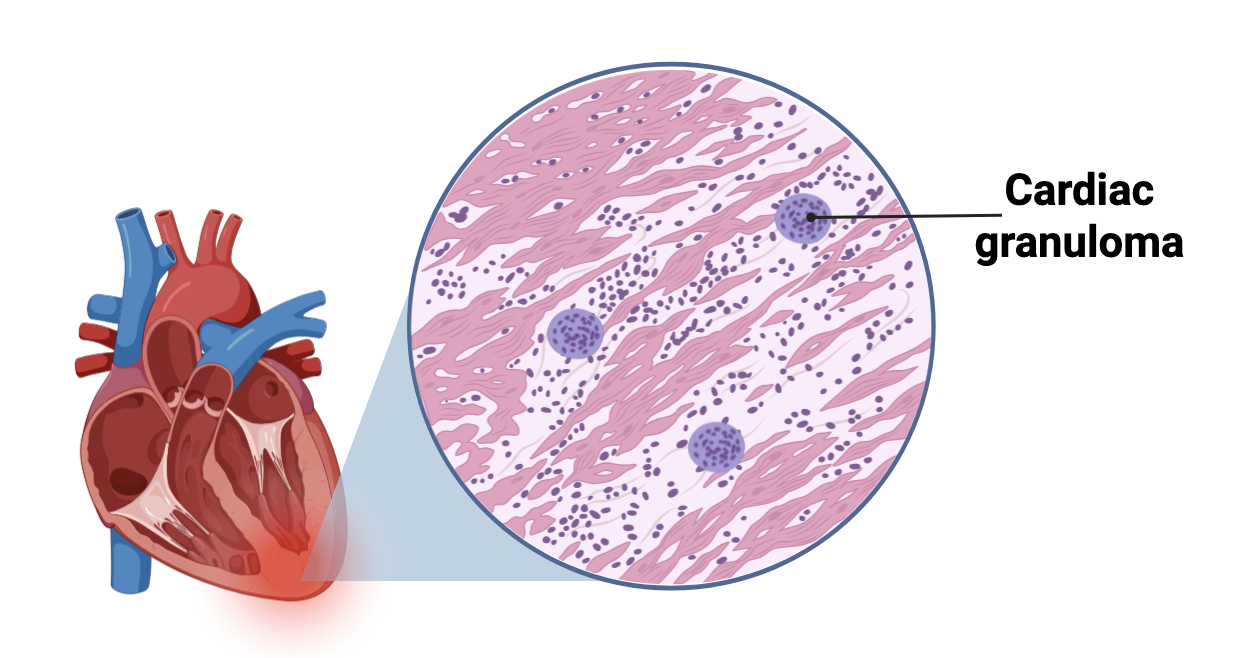
Sarcoidosis is an inflammatory disease characterized by clusters of immune cells called granulomas that can develop in almost any organ. Cardiac sarcoidosis occurs when these granulomas involve the heart, where they can disrupt the electrical conduction system, weaken the heart muscle, and eventually lead to scar formation.
Although sarcoidosis most commonly affects the lungs and lymph nodes, cardiac involvement is increasingly recognized and may occur in up to one-quarter of patients with systemic sarcoidosis. In some individuals, however, the heart is the primary or only organ involved. Because cardiac sarcoidosis may lead to heart block, ventricular arrhythmias, heart failure, or sudden cardiac death, early recognition and treatment are critical.
Understanding the Immune System
Despite major advances in diagnosis, many fundamental questions about cardiac sarcoidosis remain unanswered. Why do granulomas form in the heart in some patients but not others? Why do some individuals develop progressive inflammation while others remain stable? Which immune pathways drive ongoing cardiac injury?
These questions are central to our clinical and research programs. At UCSF, our physicians and scientists study the immune mechanisms that underlie inflammatory heart diseases, with the goal of developing more precise therapies that control inflammation while minimizing treatment-related toxicity.
Symptoms
Cardiac sarcoidosis may affect the heart’s electrical system, heart muscle, or both. Symptoms vary depending on the location and severity of inflammation and may include:
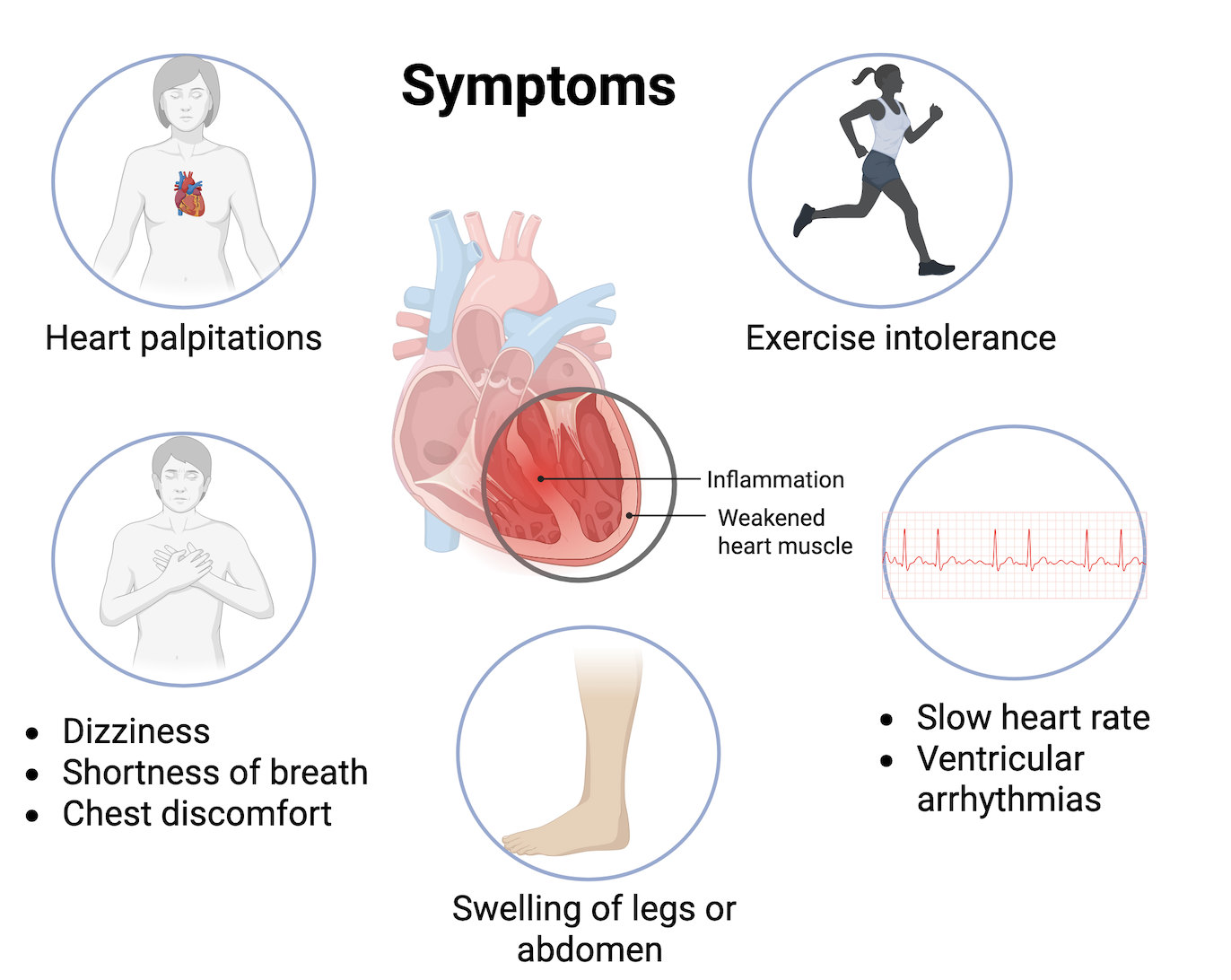 Palpitations
- Dizziness or fainting
- Shortness of breath
- Chest discomfort
- Fatigue
- Exercise intolerance
- Swelling of the legs or abdomen
- Slow heart rate caused by heart block
- Ventricular arrhythmias
Some patients have few or no symptoms, making specialized evaluation particularly important in individuals with known systemic sarcoidosis.
How We Diagnose Cardiac Sarcoidosis
Diagnosing cardiac sarcoidosis is often challenging because no single test is definitive. Our specialists integrate clinical findings with advanced imaging and other diagnostic studies to distinguish active inflammation from permanent scar and to guide treatment decisions.
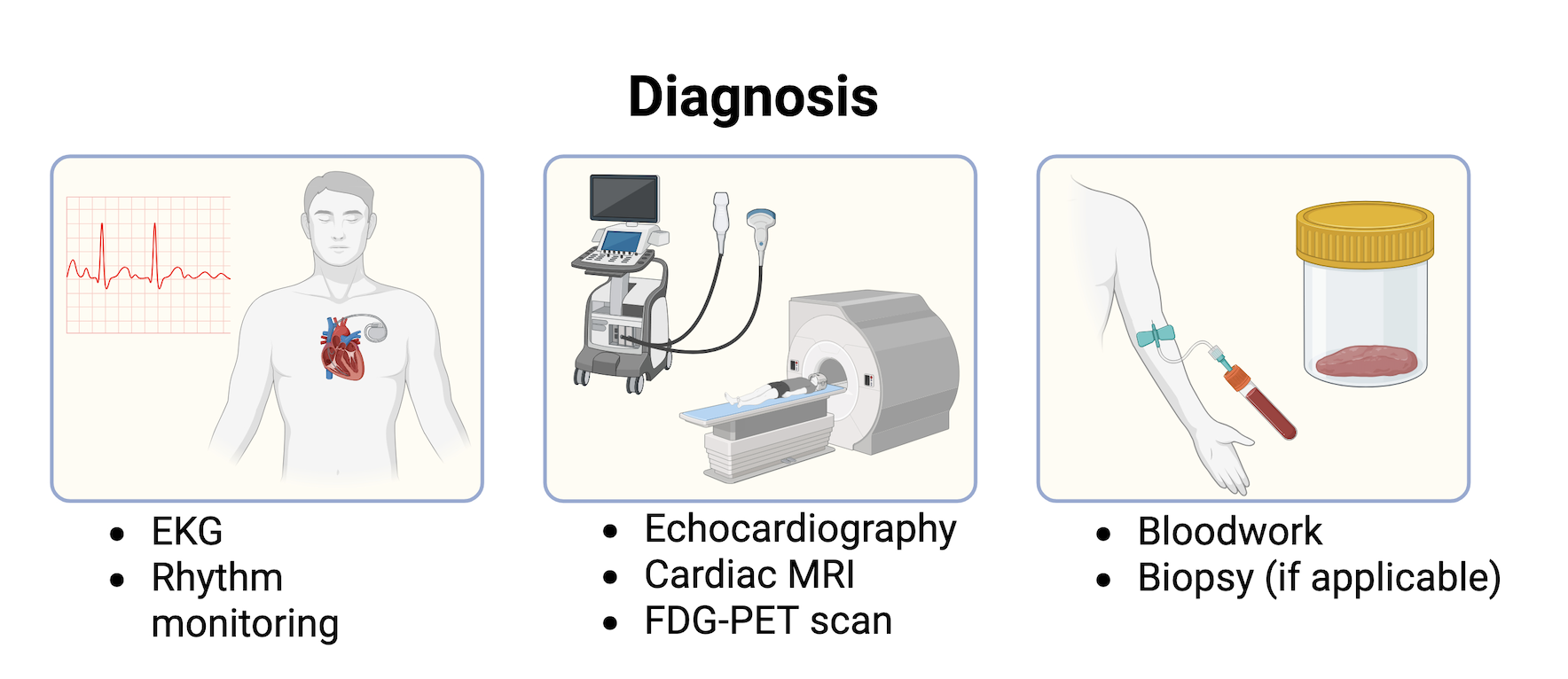
Evaluation may include:
- Electrocardiogram (ECG)
- Echocardiography
- Cardiac MRI
- FDG-PET imaging to identify active myocardial inflammation
- Ambulatory rhythm monitoring
- Blood testing
- Endomyocardial biopsy in selected patients
Because interpretation of these studies requires considerable expertise, all patients are evaluated within a multidisciplinary program experienced in inflammatory heart disease. In addition, UCSF is embarking on new innovative diagnostic strategies where we incorporate new PET tracers for more specific diagnosis of cardiac inflammation and fibrosis.
Treatment
Treatment is individualized according to the extent of active inflammation, heart rhythm abnormalities, ventricular function, and involvement of other organs.
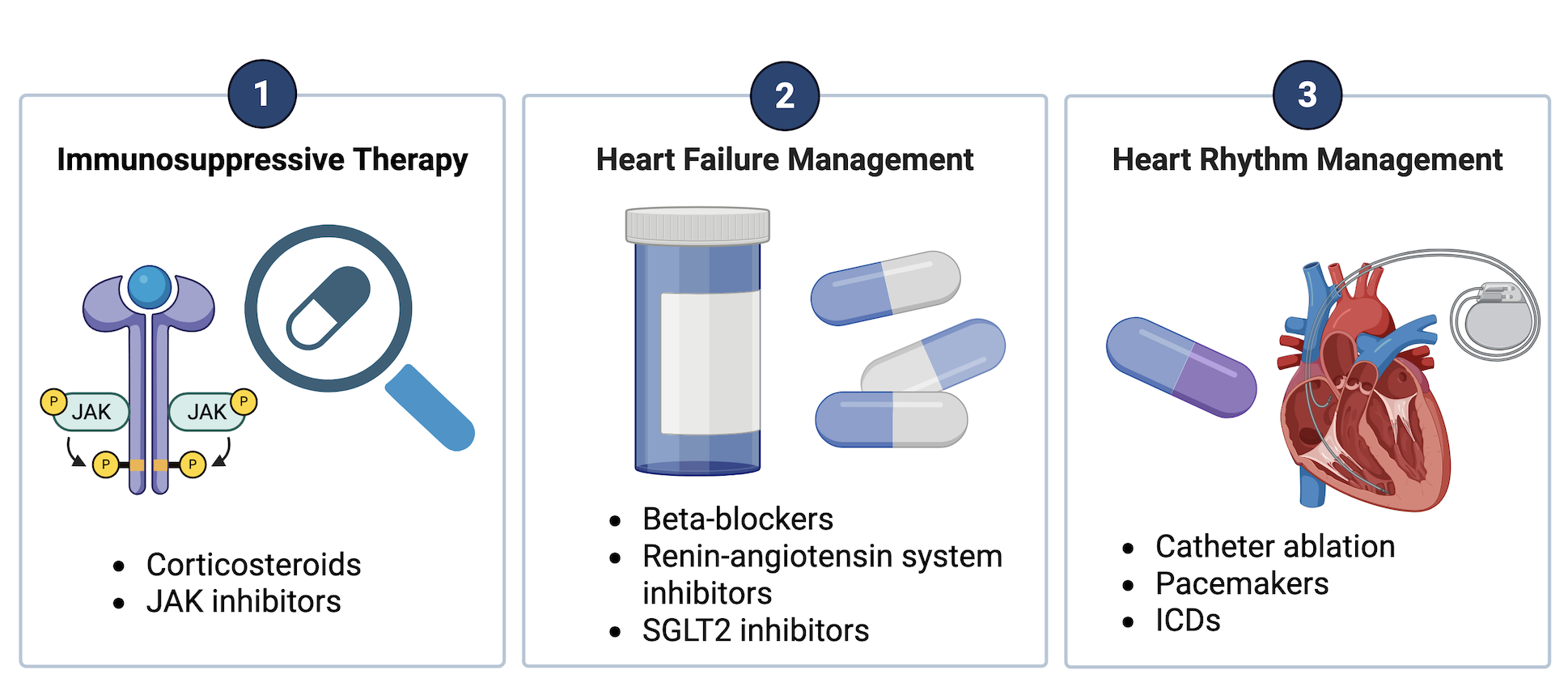
Immunosuppressive Therapy
Corticosteroids remain the cornerstone of initial treatment for active cardiac sarcoidosis. However, prolonged corticosteroid use is associated with significant side effects, and many patients require additional therapies to maintain disease control.
One major focus of our program is the development and use of steroid-sparing treatment strategies. Depending on the individual patient, immunosuppressive medications such as methotrexate, azathioprine, mycophenolate, rituximab, or other targeted therapies may be used to reduce corticosteroid exposure while maintaining control of myocardial inflammation. Our physicians have extensive experience selecting and monitoring these therapies and are actively investigating new immunomodulatory approaches for inflammatory heart disease.
For example, UCSF has been a leaders in incorporating Janus Kinase inhibitors in the treatment of inflammatory heart disease including cardiac sarcoidosis.
Heart Failure Management
Patients with impaired heart function receive comprehensive guideline-directed heart failure therapy, including beta-blockers, renin-angiotensin system inhibitors, mineralocorticoid receptor antagonists, and SGLT2 inhibitors when appropriate.
Heart Rhythm Management
Inflammation and scarring may disrupt the heart’s electrical system, resulting in heart block or ventricular arrhythmias. Our electrophysiology specialists provide comprehensive management, including medications, catheter ablation, pacemakers, and implantable cardioverter-defibrillators (ICDs) when indicated.
Research and Innovation
UCSF is one of the few centers that combines a dedicated clinical program with an active basic and translational research program focused on inflammatory diseases of the heart. Our laboratory studies how the immune system causes myocardial inflammation, why inflammation persists in some patients, and how targeted immunotherapies can be developed to improve outcomes while reducing treatment-related toxicity.
This close integration of laboratory research and clinical care allows our patients to benefit from the latest scientific advances and, when appropriate, opportunities to participate in clinical research designed to improve the diagnosis and treatment of cardiac sarcoidosis and related inflammatory heart diseases.